
In a confidential 20-minute strategic conversation, we clarify your current situation, your strategic priorities, and the initiative most likely to create value for you, your team or your organisation.
The conversation is confidential, with no obligation, and focused on identifying the most valuable next step.
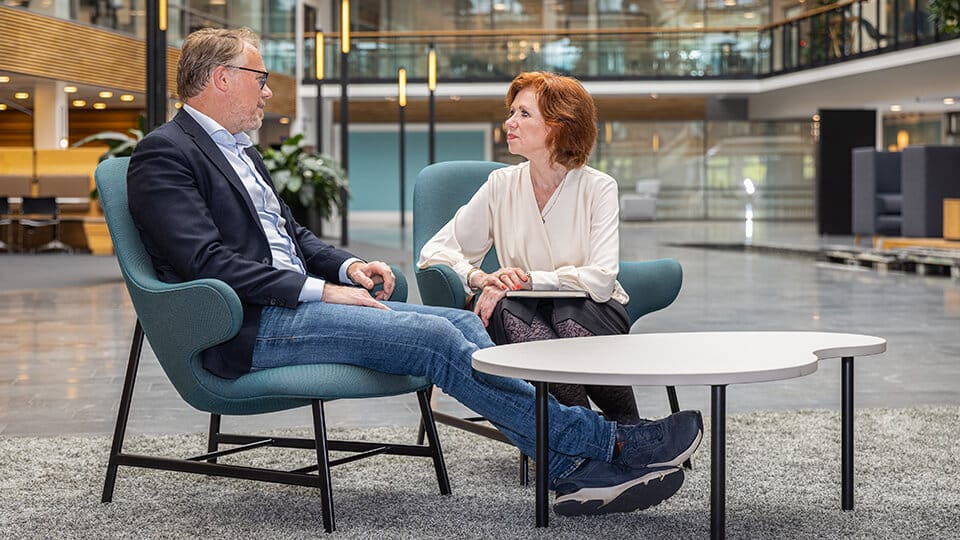
Inclusive leadership is not only about representation — it strengthens decision quality, collaboration, and organizational performance.
Many organizations aim to strengthen diversity and inclusion — yet results often remain limited because the work is not embedded in leadership behavior, decision-making, and culture.
I work with companies to make inclusion a strategic leadership capability – embedding it into leadership behaviour, decision-making and organizational processes to strengthen execution and business performance.
How Inclusive Leadership Strengthens Organizational Performance
Inclusive leadership is no longer optional—it is a strategic leadership capability for organisations navigating complexity and change.
When different perspectives are actively included in leadership and decision-making, collaboration, innovation, and business performance are strengthened.
It requires leaders who create clear direction, psychological safety, and genuine involvement across the organisation.
Inclusion strengthens decision quality, leadership effectiveness and organizational performance. When different perspectives are actively integrated into leadership and decision-making, organizations are better equipped to navigate complexity, challenge assumptions and make stronger decisions.
My work focuses on leadership quality, behaviour and organizational practice – not only awareness or policies.
Inclusion is integrated into decision-making, collaboration, talent development and culture to create measurable organizational and business impact.
I combine individual leadership development and executive coaching with attention to the organizational conditions that influence progression.
Women leaders strengthen their impact, influence, leadership presence and ability to navigate complex stakeholder environments, while organizations strengthen sponsorship, talent pipelines and the conditions for women to succeed and progress.
Inclusive leadership can strengthen decision quality, collaboration, innovation, talent retention and strategic execution.
The specific outcomes depend on the organization’s strategy and starting point, so success criteria are defined at the outset and linked to relevant leadership, organizational and business measures.
Yes. The principles can be applied across functions, business units and geographies, while the implementation is adapted to the organization’s strategy, culture and local context.
The objective is not identical behaviour everywhere, but shared leadership principles and organizational practices that enable different perspectives to contribute to performance.
Impact is measured against success criteria agreed at the outset. Depending on the engagement, this may include changes in leadership behaviour, stakeholder feedback, decision quality, talent progression, representation, retention, engagement and relevant business KPIs.
The objective is measurable and sustainable organizational change – not simply increased awareness.
Copyright © 2026. All Rights Reserved.
Design by PR360.com
